
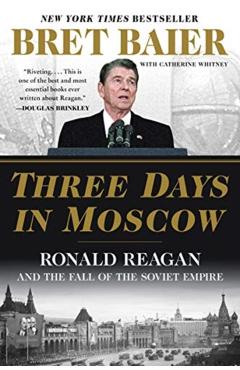
Three Days in Moscow: Ronald Reagan and the Fall of the Soviet Empire
Fii primul care dă o notă
Adaugă într-o listă
Despre carte
Get the perfect gift for Dad this Father's Day: President Reagan's dramatic battle to win the Cold War is revealed as never before by the #1 bestselling author and award-winning anchor of the #1 rated Special Report with Bret Baier. An instant classic, if not the finest book to date on Ronald Reagan. -- Jay WinikMoscow, 1988: 1,000 miles behind the Iron Curtain, Ronald Reagan stood for freedom and confronted the Soviet empire. In his acclaimed bestseller Three Days in January, Bret Baier illuminated the extraordinary leadership of President Dwight Eisenhower at the dawn of the Cold War. Now in his highly anticipated new history, Three Days in Moscow, Baier explores the dramatic endgame of America's long struggle with the Soviet Union and President Ronald Reagan's central role in shaping the world we live in today.On May 31, 1988, Reagan stood on Russian soil and addressed a packed audience at Moscow State University, delivering a remarkable--yet now largely forgotten--speech that capped his first visit to the Soviet capital. This fourth in a series of summits between Reagan and Soviet General Secretary Mikhail Gorbachev, was a dramatic coda to their tireless efforts to reduce the nuclear threat. More than that, Reagan viewed it as a grand historical moment an opportunity to light a path for the Soviet people--toward freedom, human rights, and a future he told them they could embrace if they chose. It was the first time an American president had given an address about human rights on Russian soil. Reagan had once called the Soviet Union an evil empire. Now, saying that depiction was from another time, he beckoned the Soviets to join him in a new vision of the future. The importance of Reagan's Moscow speech was largely overlooked at the time, but the new world he spoke of was fast approaching; the following year, in November 1989, the Berlin Wall fell and the Soviet Union began to disintegrate, leaving the United States the sole superpower on the world stage.Today, the end of the Cold War is perhaps the defining historical moment of the past half century, and must be understood if we are to make sense of America's current place in the world, amid the re-emergence of US-Russian tensions during Vladimir Putin's tenure.
Citește-o cu alții
Fă un club în jurul ei: o împărțiți pe etape, vă bifați progresul și discutați fără spoilere.
Pornește un club cu cartea astaUnde o cumperi
Caut-o și la Cărturești
Prețuri verificate azi
Linkuri afiliate: susții comunitatea fără costuri extra.
De la cititori
Niciun cititor nu vinde acum cartea asta.
Ai cartea? Vinde exemplarul tăuRecenzii
Autentifică-te ca să scrii o recenzie →Nicio recenzie încă. A ta poate fi prima! ✍️
De Bret Baier
Toate cărțile autorului
Trei zile de foc
Bret Baier, Catherine Whitney
de la 84,47 lei
1 magazin
To Rescue the Republic: Ulysses S. Grant, the Fragile Union, and the Crisis of 1876
Bret Baier
de la 122,71 lei
1 magazin

Three Days in January: Dwight Eisenhower's Final Mission
Bret Baier
de la 111,55 lei
1 magazin

To Rescue the Constitution: George Washington and the Fragile American Experiment
Bret Baier
de la 100,39 lei
1 magazin
To Rescue the American Spirit: Teddy Roosevelt and the Birth of a Superpower
Bret Baier
de la 184,09 lei
1 magazin

Trei zile de foc. Roosevelt si intalnirea de la Teheran
Catherine Whitney, Bret Baier
doar în catalog
CORINT, 2024
Din același raft: Comunism & Războiul Rece · Istorie
Tot raftul
Mennonites in the Russian Empire and the Soviet Union: Through Much Tribulation
Leonard G. Friesen
de la 379,47 lei
1 magazin

Global Cold War
Odd Arne Westad
de la 218,70 lei
1 magazin
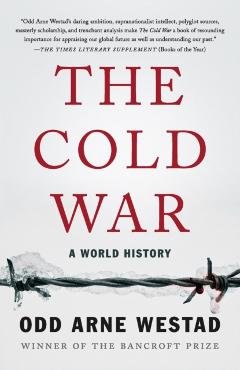
The Cold War: A World History
Odd Arne Westad
de la 80,60 lei
1 magazin
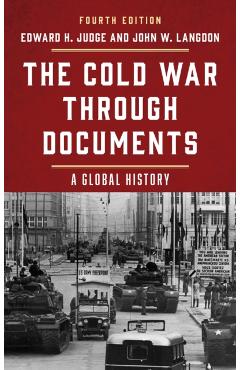
The Cold War Through Documents: A Global History
Edward H. Judge
de la 376,24 lei
1 magazin
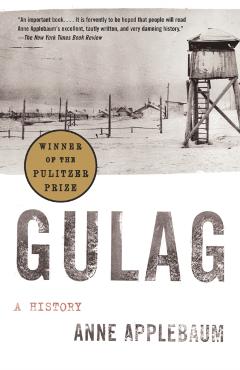
Gulag: A History
Anne Applebaum
de la 133,92 lei
1 magazin
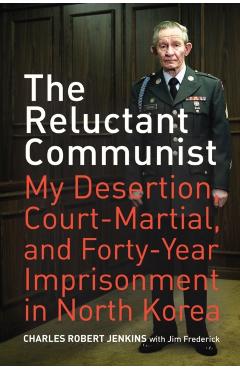
Reluctant Communist
de la 183,60 lei
1 magazin
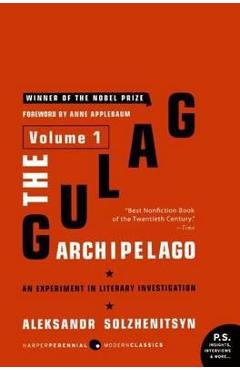
Gulag Archipelago
de la 128,29 lei
1 magazin
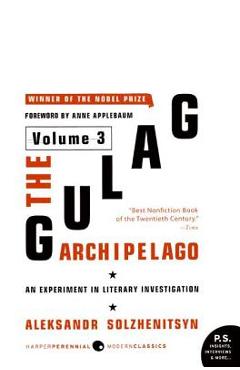
The Gulag Archipelago Volume 3: An Experiment in Literary Investigation
Aleksandr I. Solzhenitsyn
de la 130,89 lei
1 magazin
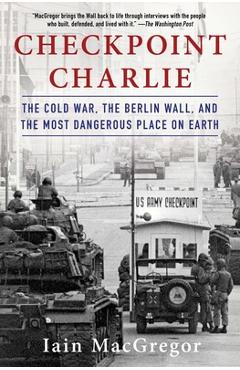
Checkpoint Charlie: The Cold War, the Berlin Wall, and the Most Dangerous Place on Earth
Iain Macgregor
de la 111,55 lei
1 magazin
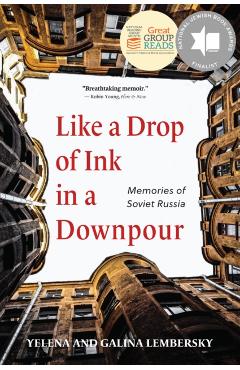
Like a Drop of Ink in a Downpour: Memories of Soviet Russia
Yelena Lembersky
de la 139,50 lei
1 magazin