
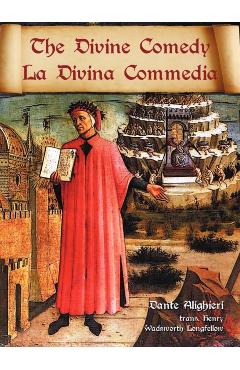
The Divine Comedy / La Divina Commedia - Parallel Italian / English Translation
Fii primul care dă o notă
Adaugă într-o listă
Despre carte
This edition gives a side-by-side parallel translation of Dante's Divine Comedy using Longfellow's translation. The Divine Comedy is an epic poem written by Dante Alighieri between 1308 and his death in 1321. It is generally considered to be the preeminent work of Italian literature and one of the greatest works of world literature. The poem is written in the Tuscan dialect, and the poem helped establish this dialect as the standardized Italian language. The poem is divided into three parts: Inferno, Purgatorio, and Paradiso. At the superficial level, the poem describes Dante's travels through Hell, Purgatory, and Heaven; but at a deeper level, it is an allegory of the soul's journey towards God. In order to articulate this journey towards God, Dante uses medieval Christian theology and philosophy, especially Thomistic philosophy and the Summa Theologica of Thomas Aquinas. Longfellow's translation is considered to be the best translation, overall. Longfellow, being a poet himself, was able to create a flowing translation that has not been surpassed. This edition gives a side-by-side parallel translation of Dante's Divine Comedy using Longfellow's translation. The Divine Comedy is an epic poem written by Dante Alighieri between 1308 and his death in 1321. It is generally considered to be the preeminent work of Italian literature and one of the greatest works of world literature. The poem is written in the Tuscan dialect, and the poem helped establish this dialect as the standardized Italian language. The poem is divided into three parts: Inferno, Purgatorio, and Paradiso. At the superficial level, the poem describes Dante's travels through Hell, Purgatory, and Heaven; but at a deeper level, it is an allegory of the soul's journey towards God. In order to articulate this journey towards God, Dante uses medieval Christian theology and philosophy, especially Thomistic philosophy and the Summa Theologica of Thomas Aquinas. Longfellow's translation is considered to be the best translation, overall. Longfellow, being a poet himself, was able to create a flowing translation that has not been surpassed. This edition gives a side-by-side parallel translation of Dante's Divine Comedy using Longfellow's translation. The Divine Comedy is an epic poem written by Dante Alighieri between 1308 and his death in 1321. It is generally considered to be the preeminent work of Italian literature and one of the greatest works of world literature.
Citește-o cu alții
Fă un club în jurul ei: o împărțiți pe etape, vă bifați progresul și discutați fără spoilere.
Pornește un club cu cartea astaUnde o cumperi
Caut-o și la Cărturești
Prețuri verificate azi
Linkuri afiliate: susții comunitatea fără costuri extra.
De la cititori
Niciun cititor nu vinde acum cartea asta.
Ai cartea? Vinde exemplarul tăuRecenzii
Autentifică-te ca să scrii o recenzie →Nicio recenzie încă. A ta poate fi prima! ✍️
De Dante Alighieri
Toate cărțile autorului
Infernul
Dante Alighieri
de la 7,93 lei
5 magazine

Purgatoriul
Dante Alighieri
de la 27,01 lei
3 magazine
Paradisul
Dante Alighieri
de la 59,85 lei
2 magazine
Divina Comedie
Dante Alighieri
de la 29,40 lei
2 magazine

Despre elocința în limba vulgară
Dante Alighieri
de la 39,95 lei
2 magazine

Prima mea biblioteca. Divina comedie. Purgatoriul (vol. 13)
Dante Alighieri
de la 21,14 lei
2 magazine

Divina Comedie
Dante Alighieri, Daniele Aristarco
de la 67 lei
1 magazin

Infernul - repovestita
Dante Alighieri, Isabel Coe
de la 16 lei
1 magazin

Divina comedie. Purgatoriul. Prima mea biblioteca
Dante Alighieri
de la 21,14 lei
1 magazin

Ţara mlaştină şi alte poeme
Dante Alighieri
de la 24,03 lei
1 magazin
Din același raft: Poezie · Beletristică
Tot raftul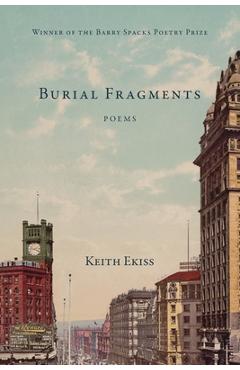
Burial Fragments
Keith Ekiss
de la 133,92 lei
1 magazin
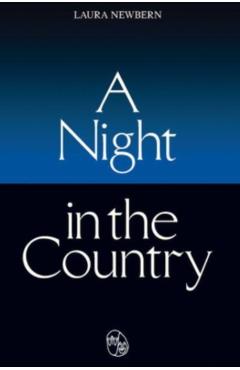
A Night in the Country
Laura Newbern
de la 113,33 lei
1 magazin
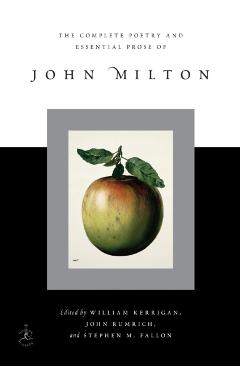
Complete Poetry and Essential Prose of John Milton
John Milton
de la 345,96 lei
1 magazin
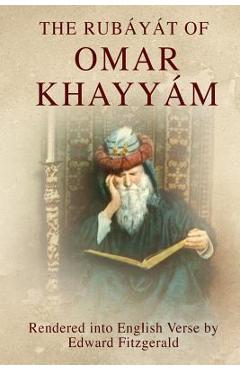
The Rubáyát of Omar Khayyám: (or, Rubaiyat of Omar Khayyam)
Edward Fitzgerald
de la 41,78 lei
1 magazin
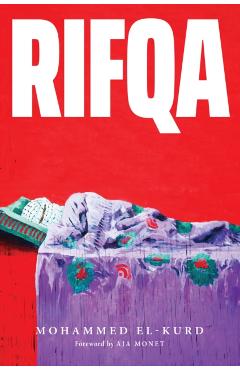
Rifqa
Mohammed El-kurd
de la 91,19 lei
1 magazin
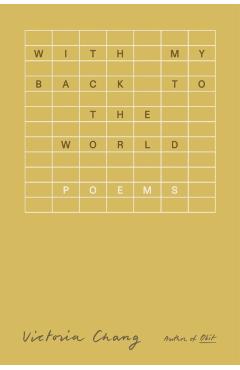
With My Back to the World: Poems
Victoria Chang
de la 94,86 lei
1 magazin

The Divine Mimesis
Pier Paolo Pasolini
de la 100,44 lei
1 magazin
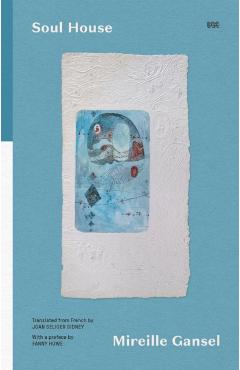
Soul House
Mireille Gansel
de la 123,06 lei
1 magazin
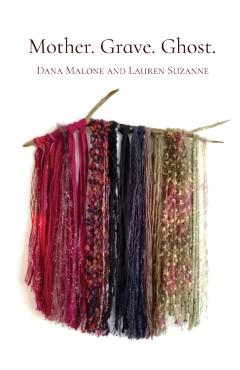
Mother. Grave. Ghost.
Dana Malone
de la 83,65 lei
1 magazin
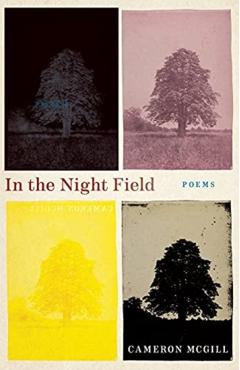
In the Night Field
Cameron Mcgill
de la 89 lei
1 magazin