

Adaugă într-o listă
Despre carte
Augustine, Saint: - Aurelius Augustinus (354-430) was born and raised in Roman North Africa. His mother Monica provided a Catholic upbringing in his modest home town of Thagaste. However, Augustine preferred the liberties available to young men of his time and place. He also excelled at school. As a student at Carthage he joined the Manichean religious sect. After teaching rhetoric at Carthage and then Rome, he rose to become the official spokesperson for the Roman Emperor in Milan. Amidst a crisis of faith and doubt, Augustine read the writings of Neo-Platonic philosophers and listened to the preaching of Bishop Ambrose of Milan. Resigning from imperial service, the 32 year old Augustine began an intensive study of scripture. He was baptized by Ambrose at the Easter Vigil in April of 387. A year later he returned to Africa and within several years was ordained to serve the diocese of Hippo (present day Annaba, Algeria), as priest and then bishop. Charged with the pastoral care of his people, and confronted by the major doctrinal controversies in the early Church, Augustine employed his significant rhetorical skills and his genius for writing to compose some of the foundational texts of Christian theology in the Latin West. These include his Confessions, Teaching Christianity, The City of God, The Trinity, Expositions of the Psalms-to name just a few of his many books. We also have almost 300 of his letters to a wide variety of correspondents, and 400 of his sermons. Augustine criticized the rejection of the Hebrew Scriptures by his former Manichean co-religionists; argued against the exclusionary ecclesiology of the Donatist Christians; confronted Arian Christianity with a deeply Catholic Christology; and, until the end of his life defended the supremacy of divine grace against what he understood to be the self-justification preached by the followers of the British monk Pelagius. His interpretation of original sin and its effects on humanity grew out of his personal and pastoral experience of the human pain and suffering wrought by ignorance and by disordered, destructive choices. Throughout the Middle Ages, Augustine's writings remained influential and extended the influence of Platonic philosophy in Western Christendom.
Citește-o cu alții
Fă un club în jurul ei: o împărțiți pe etape, vă bifați progresul și discutați fără spoilere.
Pornește un club cu cartea astaUnde o cumperi
Caut-o și la Cărturești
Prețuri verificate azi
Linkuri afiliate: susții comunitatea fără costuri extra.
De la cititori
Niciun cititor nu vinde acum cartea asta.
Ai cartea? Vinde exemplarul tăuRecenzii
Autentifică-te ca să scrii o recenzie →Nicio recenzie încă. A ta poate fi prima! ✍️
De Saint Augustine
Toate cărțile autorului
City of God (Books 11-22): De Civitate Dei
Saint Augustine
de la 297,23 lei
1 magazin
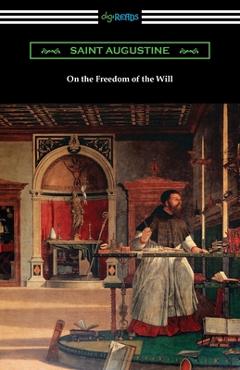
On the Freedom of the Will
Saint Augustine
de la 81,76 lei
1 magazin
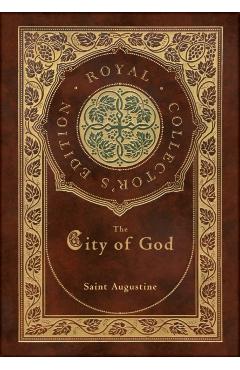
The City of God (Royal Collector's Edition) (Case Laminate Hardcover with Jacket)
Saint Augustine
de la 446,03 lei
1 magazin

On Christian Teaching (On Christian Doctrine)
Saint Augustine
de la 74,32 lei
1 magazin

The Confessions
Saint Augustine
de la 260,03 lei
1 magazin

The Confessions of St. Augustine: Easy to Read Layout edition including The Life of St. Austin, or Augustine, Doctor from the Golden Legend.
Saint Augustine
de la 185,92 lei
1 magazin
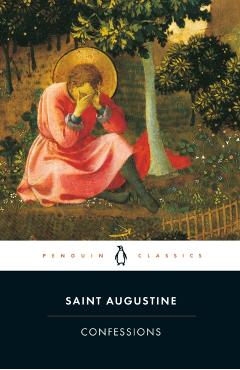
Confessions
Saint Augustine
de la 71,22 lei
1 magazin
Din același raft: Spiritualitate
Tot raftulThe Truth of God: The Bible, the Quran and Point Number 12
Wesley Muhammad
de la 139,50 lei
1 magazin
A Deacon On Purpose: Four Biblical Essentials
Tony Wolfe
de la 140,99 lei
1 magazin
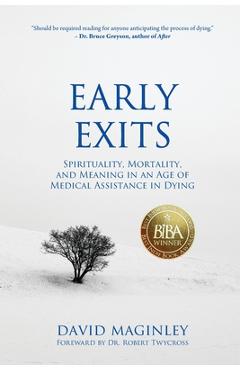
Early Exits: Spirituality, Mortality and Meaning in an Age of Medical Assistance in Dying
David Maginley
de la 148,74 lei
1 magazin

Time, Myth and Matter
Ld Deutsch
de la 167,40 lei
1 magazin
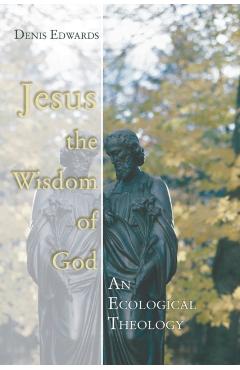
Jesus the Wisdom of God
Denis Edwards
de la 167,40 lei
1 magazin
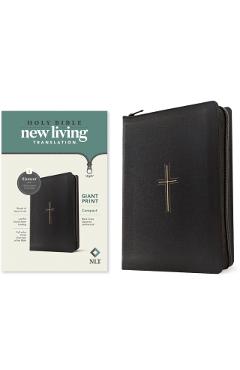
NLT Compact Giant Print Zipper Bible, Filament Enabled (Leatherlike, Black Cross, Red Letter) -
de la 195,25 lei
1 magazin
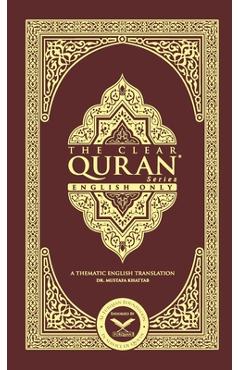
The Clear Quran-English Only2 Column LayoutHardcover
Mustafa Khattab
de la 222,83 lei
1 magazin
The Avatar - Hardcover Large Print
Jonathan Cahn
de la 226,74 lei
1 magazin
The Parables of Jesus in the Gospels: Bible Based Wisdom: Life Lessons for Modern Daily Living
Richard Louden
de la 230,26 lei
1 magazin
The Book of Enoch, Second Edition
R. H. Charles
de la 239,94 lei
1 magazin