
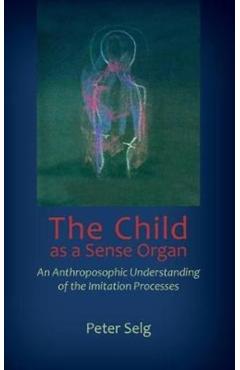
The Child as a Sense Organ: An Anthroposophic Understanding of Imitation Processes
Fii primul care dă o notă
Adaugă într-o listă
Despre carte
The initial period of childhood is essentially about adapting to and incarnating on Earth and establishing a provisional balance between the spiritual and the physical, between the prenatal cosmic and the earthly factors. During this time, according to Rudolf Steiner, all the forces of a child's organization emanate from the neurosensory system. . . . By bringing respiration into harmony with neurosensory activity, we draw the spirit-soul element into the child's physical life. Peter Selg investigates how children's early experience of the world begins as an undifferentiated sensory relationship to their phenomenological environment. This aspect of a child's incarnation leads to leaning through imitation and to the process of recognizing the Other as a separate entity with which to interact. In this cogent work, Peter Selg describes the early stages of childhood from the perspectives of conventional scientific and spiritual-scientific-- anthropological and anthroposophic--research with the purpose of encouraging a new educational attitude in working with young children. In his numerous references to early childhood development, this was Rudolf Steiner's most important and urgent purpose. The initial period of childhood is essentially about adapting to and incarnating on Earth and establishing a provisional balance between the spiritual and the physical, between the prenatal cosmic and the earthly factors. During this time, according to Rudolf Steiner, all the forces of a child's organization emanate from the neurosensory system. . . . By bringing respiration into harmony with neurosensory activity, we draw the spirit-soul element into the child's physical life. Peter Selg investigates how children's early experience of the world begins as an undifferentiated sensory relationship to their phenomenological environment. This aspect of a child's incarnation leads to learning through imitation and to the process of recognizing the Other as a separate entity with which to interact. In this cogent work, Peter Selg describes the early stages of childhood from the perspectives of conventional scientific and spiritual-scientific-- anthropological and anthroposophic--research with the purpose of encouraging a new educational attitude in working with young children. In his numerous references to early childhood development, this was Rudolf Steiner's most important and urgent purpose.
Citește-o cu alții
Fă un club în jurul ei: o împărțiți pe etape, vă bifați progresul și discutați fără spoilere.
Pornește un club cu cartea astaUnde o cumperi
Caut-o și la Cărturești
Prețuri verificate ieri
Linkuri afiliate: susții comunitatea fără costuri extra.
De la cititori
Niciun cititor nu vinde acum cartea asta.
Ai cartea? Vinde exemplarul tăuRecenzii
Autentifică-te ca să scrii o recenzie →Nicio recenzie încă. A ta poate fi prima! ✍️
De Peter Selg
Toate cărțile autorului
Rudolf Steiner. Viata Si Opera Vol.1: 1861-1890
Peter Selg
de la 47,20 lei
2 magazine

Rudolf Steiner - Viata si opera (vol. 3): 1900-1914
Peter Selg
de la 47,20 lei
1 magazin

Rudolf Steiner - Viata si opera (vol. 2): 1890-1900
Peter Selg
de la 37,57 lei
1 magazin

Comunitati esoterice in dramele-misteriu ale lui Rudolf Steiner
Peter Selg
de la 21,24 lei
1 magazin
Unbornness: Human Pre-Existence and the Journey Toward Birth
Peter Selg
de la 105,23 lei
1 magazin
The Essence of Waldorf Education
Peter Selg
de la 84,17 lei
1 magazin
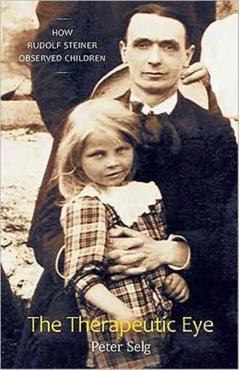
The Therapeutic Eye: How Rudolf Steiner Observed Children
Peter Selg
de la 105,23 lei
1 magazin
Din același raft: Psihologie
Tot raftul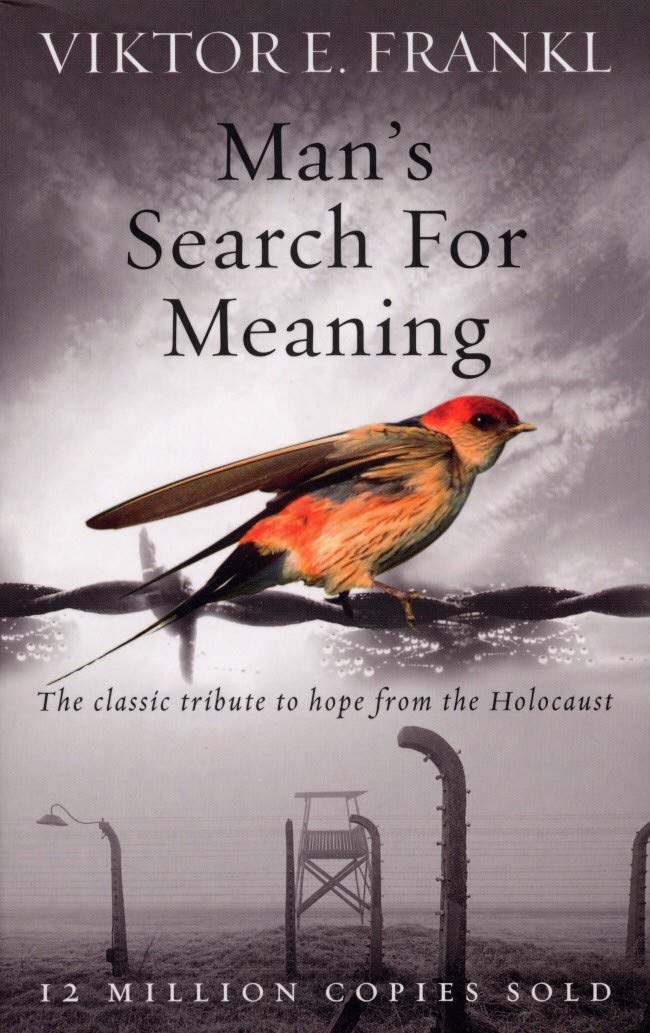
Man's Search For Meaning
Viktor E. Frankl
de la 58,26 lei
2 magazine
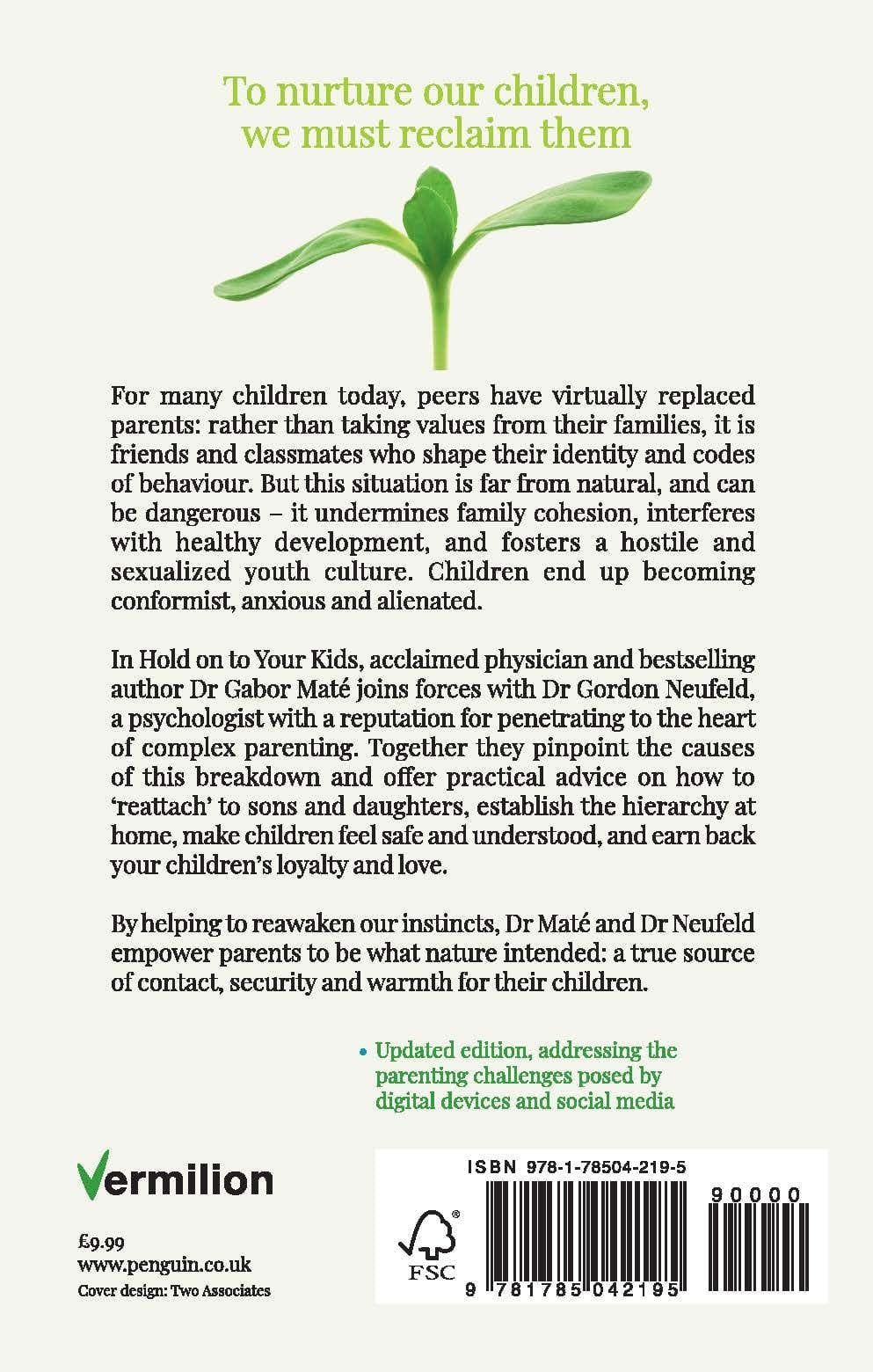
Hold on to Your Kids
Gabor Mate, Gordon Neufeld
de la 84,18 lei
2 magazine
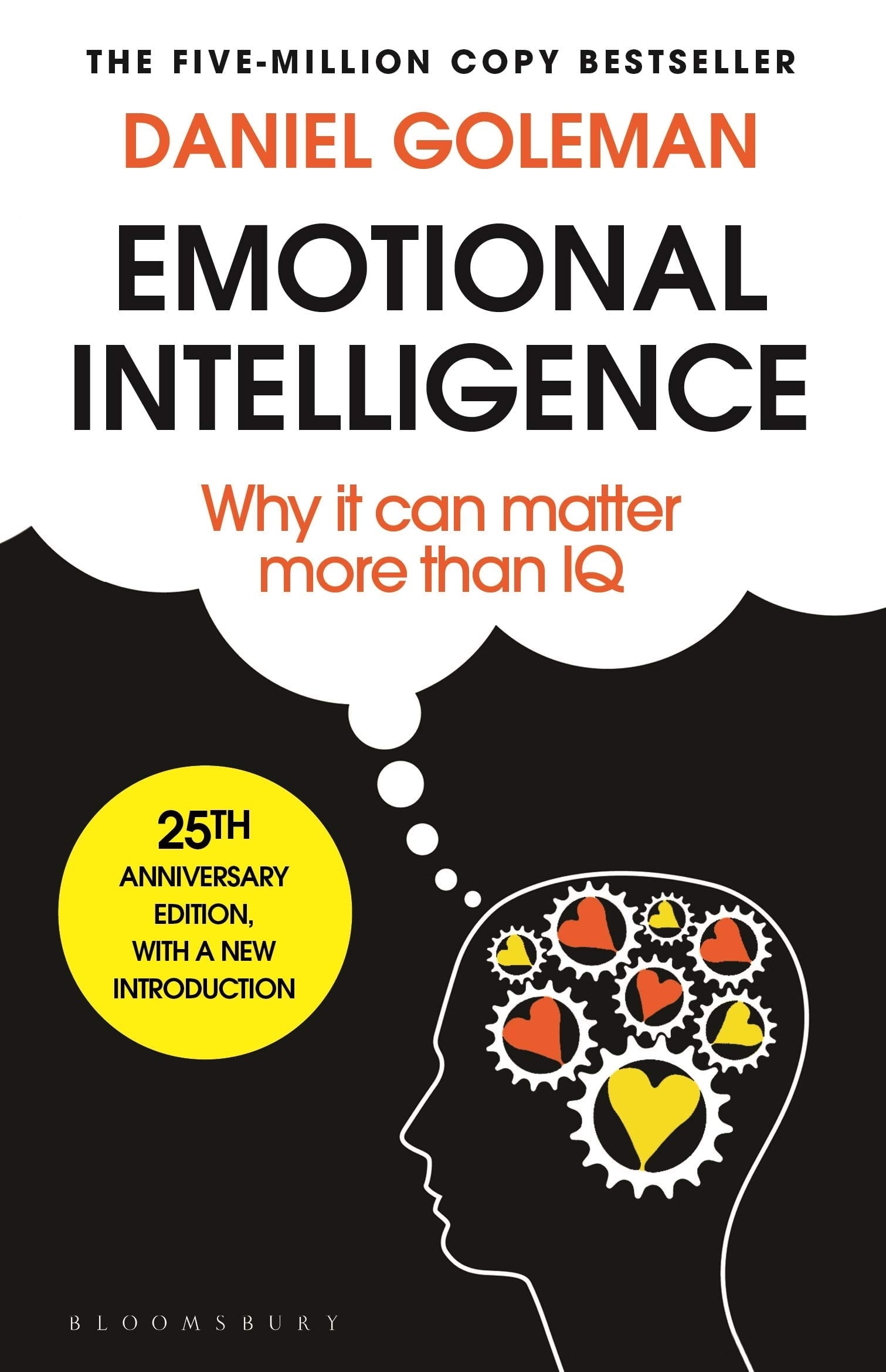
Emotional Intelligence
Daniel Goleman
de la 59 lei
2 magazine
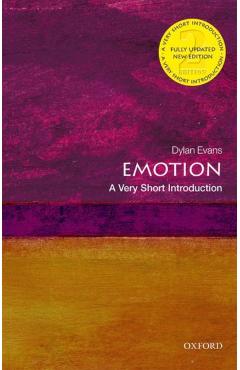
Emotion: A Very Short Introduction
Dylan Evans
de la 50,57 lei
2 magazine
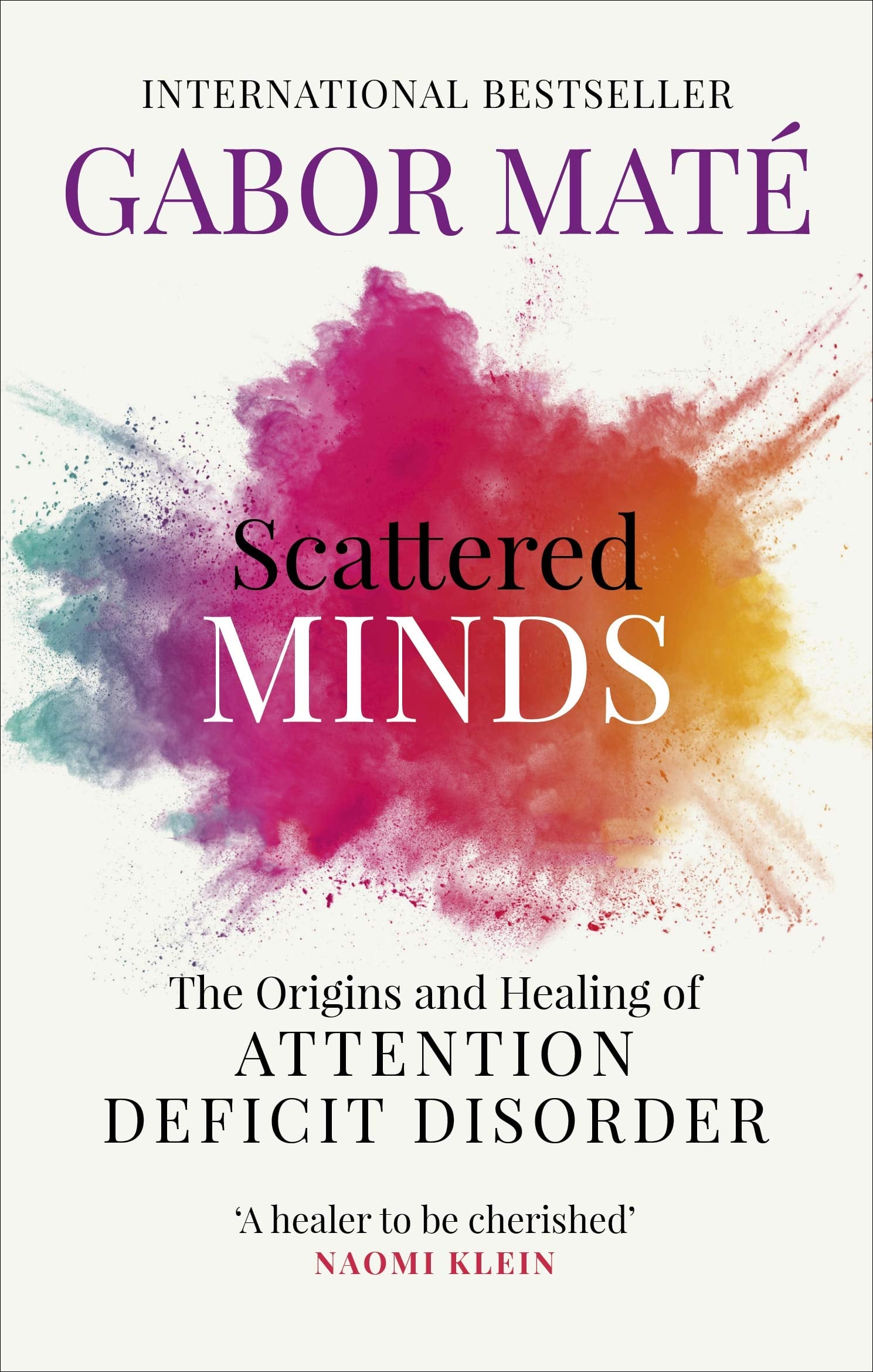
Scattered Minds
Gabor Mate
de la 84,18 lei
2 magazine
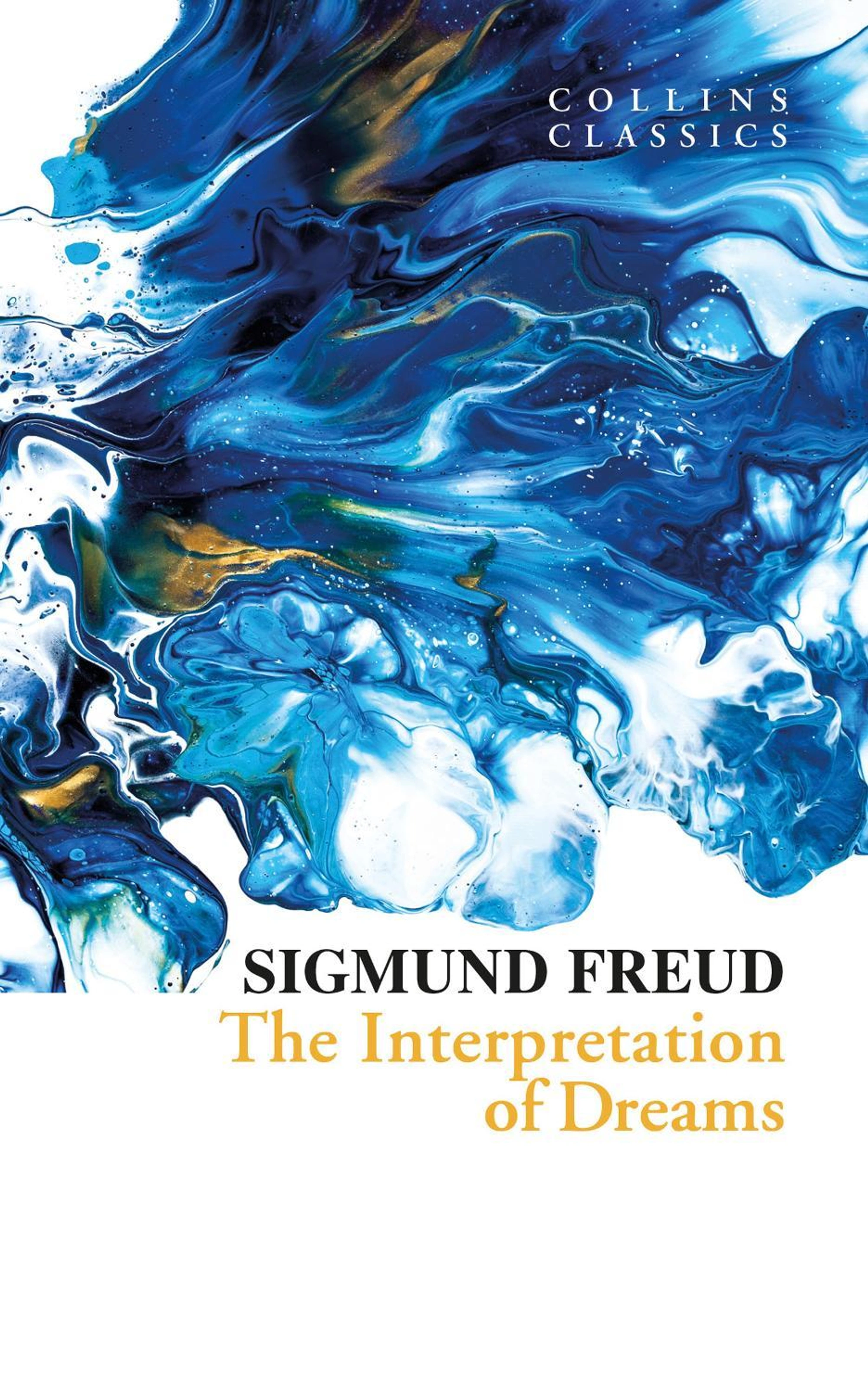
The Interpretation of Dreams
Sigmund Freud
de la 28 lei
2 magazine
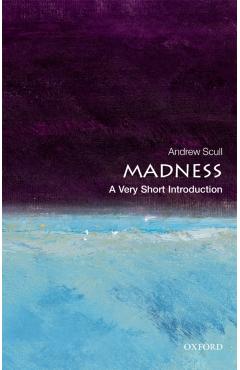
Madness: A Very Short Introduction
Andrew Scull
de la 50,57 lei
2 magazine

Modern Man In Search Of A Soul
C.G. Jung
de la 81,47 lei
2 magazine
Group Psychology and the Analysis of the Ego
Sigmund Freud
de la 83,42 lei
2 magazine

Thinking, Fast and Slow
Daniel Kahneman
de la 75,86 lei
2 magazine