
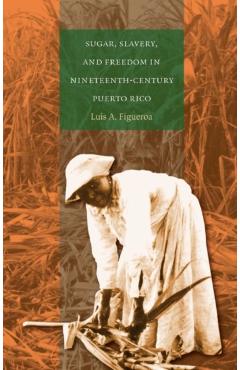
Sugar, Slavery, and Freedom in Nineteenth-Century Puerto Rico
Fii primul care dă o notă
Adaugă într-o listă
Despre carte
The contributions of the black population to the history and economic development of Puerto Rico have long been distorted and underplayed, Luis A. Figueroa contends. Focusing on the southeastern coastal region of Guayama, one of Puerto Rico's three leading centers of sugarcane agriculture, Figueroa examines the transition from slavery and slave labor to freedom and free labor after the 1873 abolition of slavery in colonial Puerto Rico. He corrects misconceptions about how ex-slaves went about building their lives and livelihoods after emancipation and debunks standing myths about race relations in Puerto Rico. Historians have assumed that after emancipation in Puerto Rico, as in other parts of the Caribbean and the U.S. South, former slaves acquired some land of their own and became subsistence farmers. Figueroa finds that in Puerto Rico, however, this was not an option because both capital and land available for sale to the Afro-Puerto Rican population were scarce. Paying particular attention to class, gender, and race, his account of how these libertos joined the labor market profoundly revises our understanding of the emancipation process and the evolution of the working class in Puerto Rico.
Citește-o cu alții
Fă un club în jurul ei: o împărțiți pe etape, vă bifați progresul și discutați fără spoilere.
Pornește un club cu cartea astaUnde o cumperi
Caut-o și la Cărturești
Prețuri verificate ieri
Linkuri afiliate: susții comunitatea fără costuri extra.
De la cititori
Niciun cititor nu vinde acum cartea asta.
Ai cartea? Vinde exemplarul tăuRecenzii
Autentifică-te ca să scrii o recenzie →Nicio recenzie încă. A ta poate fi prima! ✍️
Din același raft: Istorie
Tot raftul
Ancient Egypt: The Definitive Visual History
Dk
de la 211 lei
2 magazine

Timelines of World War II
Dk
de la 176 lei
2 magazine
1968: The Year That Rocked the World
Mark Kurlansky
de la 82,94 lei
2 magazine
Selected Works 1990–2025
de la 60 lei
2 magazine

Visions of Medieval Castles
Sabina Madgearu
de la 70,01 lei
2 magazine

A Short Illustrated History of Romanians
Ioan-Aurel Pop
de la 69,90 lei
2 magazine
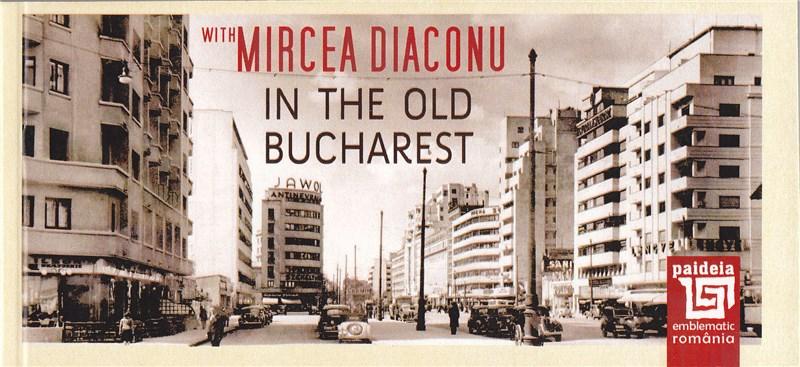
In the Old Bucharest With Mircea Diaconu
Mircea Diaconu
de la 16,80 lei
2 magazine
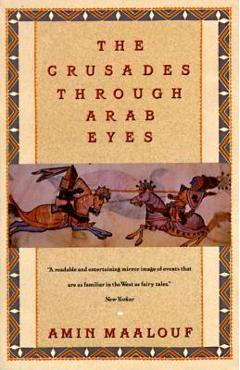
The Crusades Through Arab Eyes
Amin Maalouf
de la 111,60 lei
2 magazine

Fire and fury
Michael Wolff
de la 89 lei
2 magazine

Homo Deus: A Brief History of Tomorrow
Yuval Noah Harari
de la 71,41 lei
2 magazine