
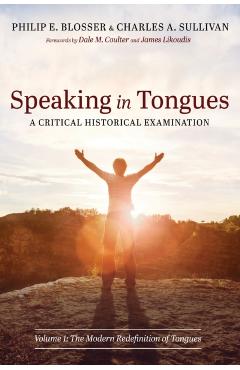
Speaking in Tongues: A Critical Historical Examination
Fii primul care dă o notă
Despre carte
In three carefully researched volumes, this ground-breaking study examines the gift of tongues through 2,000 years of church history. Starting in the present and working back in time, these volumes consider (1) the modern redefinition of tongues as a private prayer language; (2) the church's perennial understanding of tongues as ordinary human languages; and (3) the Corinthian tongues, which, in light of Jewish liturgical tradition, turn out to have been a foreign liturgical language (Hebrew or Aramaic) requiring bilingual interpreters. In the first volume, the authors establish that modern glossolalia, far from being a supernatural gift enjoyed by certain believers since the time of Pentecost and undergoing a resurgence in modern times, has no precedent in church life prior to the nineteenth century. They discuss why German theologians, responding to the Irvingite revival, coined the term glossolalia in the 1830s; why Pentecostals between 1906-8 quietly began redefining tongues to mean a heavenly language unintelligible to human beings but pleasing to God, instead of foreign languages useful for evangelism; why Protestant cessationists believed miraculous tongues had ceased; and why interpolated idioms like unknown tongues in Protestant Bibles were aimed originally at Rome's use of Latin.
Citește-o cu alții
Fă un club în jurul ei: o împărțiți pe etape, vă bifați progresul și discutați fără spoilere.
Pornește un club cu cartea astaUnde o cumperi
Caut-o și la Cărturești
Prețuri verificate ieri
Linkuri afiliate — susții comunitatea fără costuri extra.
Recenzii
Autentifică-te ca să scrii o recenzie →Nicio recenzie încă. A ta poate fi prima! ✍️