
Adaugă într-o listă
Despre carte
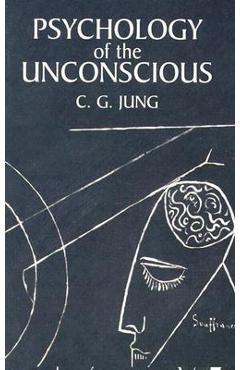
In this, his most famous and influential work, Carl Jung made a dramatic break from the psychoanalytic tradition established by his mentor, Sigmund Freud. Rather than focusing on psychopathology and its symptoms, the Swiss psychiatrist studied dreams, mythology, and literature to define the universal patterns of the psyche. In Psychology of the Unconscious, Jung seeks a symbolic meaning and purpose behind a given set of symptoms, placing them within the larger context of the psyche. The 1912 text examines the fantasies of a patient whose poetic and vivid mental images helped Jung redefine libido as psychic energy, arising from the unconscious and manifesting itself consciously in symbolic form. Jung's commentary on his patient's fantasies offers a complex study of symbolic psychiatry and foreshadows his development of the theory of collective unconscious and its constituents, the archetypes. The author's role in the development of analytical psychology, a therapeutic process that promotes creativity and psychological development, makes this landmark in psychoanalytic methodology required reading for students and others interested in the practice and process of psychology.
Citește-o cu alții
Fă un club în jurul ei: o împărțiți pe etape, vă bifați progresul și discutați fără spoilere.
Pornește un club cu cartea astaUnde o cumperi
Caut-o și la Cărturești
Prețuri verificate azi
Linkuri afiliate: susții comunitatea fără costuri extra.
De la cititori
Niciun cititor nu vinde acum cartea asta.
Ai cartea? Vinde exemplarul tăuRecenzii
Autentifică-te ca să scrii o recenzie →Nicio recenzie încă. A ta poate fi prima! ✍️
De C. G. Jung
Toate cărțile autorului
Opere complete 14/1: Mysterium Coniunctionis
C. G. Jung
de la 65,29 lei
1 magazin

Collected Works of C.G. Jung, Volume 7: Two Essays in Analytical Psychology
C. G. Jung
de la 195,30 lei
1 magazin

Jung on Active Imagination
C. G. Jung
de la 139,22 lei
1 magazin

Jung on Mythology
C. G. Jung
de la 139,22 lei
1 magazin

Collected Works of C.G. Jung, Volume 6: Psychological Types
C. G. Jung
de la 222,92 lei
1 magazin

Jung on Synchronicity and the Paranormal
C. G. Jung
de la 139,22 lei
1 magazin

Psychology of Yoga and Meditation: Lectures Delivered at Eth Zurich, Volume 6: 1938-1940
C. G. Jung
de la 222,83 lei
1 magazin

The I Ching or Book of Changes
C. G. Jung
de la 148 lei
1 magazin

The Gnostic Jung: Selections from the Writings of C.G. Jung and His Critics
C. G. Jung
de la 189,72 lei
1 magazin
The Undiscovered Self: The Dilemma of the Individual in Modern Society
C. G. Jung
de la 61,33 lei
1 magazin
Din același raft: Psihologie
Tot raftul
Man's Search for Meaning: The Classic Tribute to Hope from the Holocaust
Viktor Frankl
de la 46,20 lei
2 magazine

The Psychology of Money
de la 126 lei
2 magazine

The Power of Resilience for Autistic Adults: Thriving in a Neurotypical World
Sam Goldstein
de la 194,32 lei
1 magazin

Treating Trauma and Traumatic Grief in Children and Adolescents
Judith A. Cohen
de la 293,67 lei
1 magazin

Sensory Pathways to Healing from Trauma: Harnessing the Brain's Capacity for Change
Ruth A. Lanius
de la 318,06 lei
1 magazin

Motivation, Achievement, and Situated Expectancy-Value Theory: Making One's Future
Jacquelynne S. Eccles
de la 544,23 lei
1 magazin

Mentalization-Based Treatment for Children: A Time-Limited Approach
Nick Midgley
de la 406,08 lei
1 magazin

Deliberate Practice in Accelerated Experiential Dynamic Psychotherapy
Natasha C. N. Prenn
de la 388,66 lei
1 magazin

ACT Therapy Workbook for Anxiety Relief: A Simple Acceptance & Commitment Therapy Toolbox to Help Reduce Stress, Panic Attacks, Worry and Depression
Ava Walters
de la 111,43 lei
1 magazin

Freedom of Mind: Helping Loved Ones Leave Controlling People, Cults, and Beliefs
Steven Hassan
de la 126,11 lei
1 magazin