
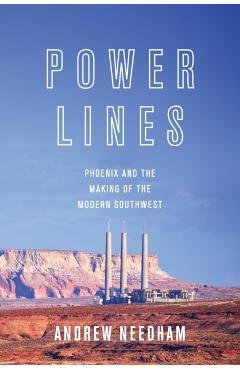
Power Lines: Phoenix and the Making of the Modern Southwest
Fii primul care dă o notă
Adaugă într-o listă
Despre carte
How high energy consumption transformed postwar Phoenix and deepened inequalities in the American SouthwestIn 1940, Phoenix was a small, agricultural city of sixty-five thousand, and the Navajo Reservation was an open landscape of scattered sheepherders. Forty years later, Phoenix had blossomed into a metropolis of 1.5 million people and the territory of the Navajo Nation was home to two of the largest strip mines in the world. Five coal-burning power plants surrounded the reservation, generating electricity for export to Phoenix, Los Angeles, and other cities. Exploring the postwar developments of these two very different landscapes, Power Lines tells the story of the far-reaching environmental and social inequalities of metropolitan growth, and the roots of the contemporary coal-fueled climate change crisis.Andrew Needham explains how inexpensive electricity became a requirement for modern life in Phoenix--driving assembly lines and cooling the oppressive heat. Navajo officials initially hoped energy development would improve their lands too, but as ash piles marked their landscape, air pollution filled the skies, and almost half of Navajo households remained without electricity, many Navajos came to view power lines as a sign of their subordination in the Southwest. Drawing together urban, environmental, and American Indian history, Needham demonstrates how power lines created unequal connections between distant landscapes and how environmental changes associated with suburbanization reached far beyond the metropolitan frontier. Needham also offers a new account of postwar inequality, arguing that residents of the metropolitan periphery suffered similar patterns of marginalization as those faced in America's inner cities.Telling how coal from Indian lands became the fuel of modernity in the Southwest, Power Lines explores the dramatic effects that this energy system has had on the people and environment of the region. How high energy consumption transformed postwar Phoenix and deepened inequalities in the American Southwest In 1940, Phoenix was a small, agricultural city of sixty-five thousand, and the Navajo Reservation was an open landscape of scattered sheepherders. Forty years later, Phoenix had blossomed into a metropolis of 1.5 million people and the territory of the Navajo Nation was home to two of the largest strip mines in the world.
Citește-o cu alții
Fă un club în jurul ei: o împărțiți pe etape, vă bifați progresul și discutați fără spoilere.
Pornește un club cu cartea astaUnde o cumperi
Caut-o și la Cărturești
Prețuri verificate azi
Linkuri afiliate: susții comunitatea fără costuri extra.
De la cititori
Niciun cititor nu vinde acum cartea asta.
Ai cartea? Vinde exemplarul tăuRecenzii
Autentifică-te ca să scrii o recenzie →Nicio recenzie încă. A ta poate fi prima! ✍️
Din același raft: Istorie
Tot raftul
Hellboy Universe: The Secret Histories Volume 2
Mike Mignola
de la 226,74 lei
1 magazin

Fidel Castro Reader
Fidel Castro
de la 129,54 lei
1 magazin

Black Legacy: A History of New York's African Americans
William Loren Katz
de la 105,74 lei
1 magazin
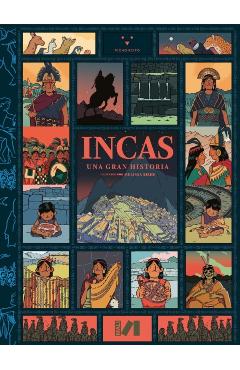
Incas: Una gran historia / Incas: A Great History
Cecilia|rucabado Pardo
de la 151,13 lei
1 magazin
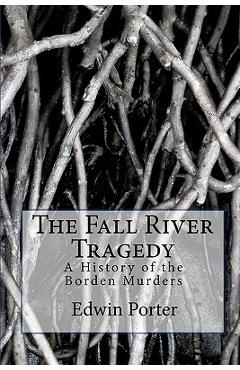
The Fall River Tragedy: A History of the Borden Murders
Michael W. Paulson
de la 104,62 lei
1 magazin

Painful Joy: A Holocaust Family Memoir
Max J. Friedman
de la 111,32 lei
1 magazin

The Wide Wide Sea: Imperial Ambition, First Contact and the Fateful Final Voyage of Captain James Cook
Hampton Sides
de la 111,60 lei
1 magazin
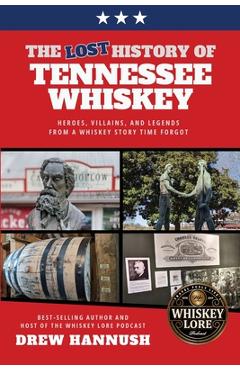
The Lost History of Tennessee Whiskey: Heroes, Villains, and Legends From a Whiskey Story Time Forgot
Drew Hannush
de la 156,19 lei
1 magazin

When We Were Them
Antonio M. Palmer
de la 167,35 lei
1 magazin
The Unvanquished: The Untold Story of Lincoln's Special Forces, the Manhunt for Mosby's Rangers, and the Shadow War That Forged America'
Patrick K. O'donnell
de la 167,40 lei
1 magazin