
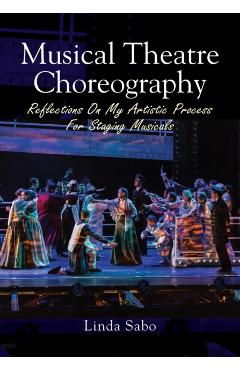
Musical Theatre Choreography: Reflections of My Artistic Process for Staging Musicals
Fii primul care dă o notă
Adaugă într-o listă
Despre carte
Musical theatre choreography has indisputably evolved over the years and choreographers develop methods of working and philosophical approaches that should be documented but rarely are. Textual information is limited, and what has been written is generally more practical than theoretical, and is minimal compared to those books written for choreographers of modern and contemporary dance. By pointing out the similarities and dissimilarities between concert dance genres and theatre dance, and by identifying the specialized demands of crafting artistic and script-serving theatre dance and staging, this text differentiates musical theatre choreography as a separate and bona fide art form and suggests that 1) universities recognize it as such by offering training possibilities for future musical theatre choreographers, and 2) established choreographers of musicals begin to write down their own artistic processes to help fill the choreographic toolbox for young choreographers wanting to work in this field. In 1943, a light switch was flipped with the musical Oklahoma when Rodgers' and Hammerstein's mission to keep the book absolutely central to the making of a musical was established. After that, other musical theatre artists followed suit causing standards to change. Now, no other artistic element in a musical makes a move without first ensuring that it serves the script. By creating original material that is integral to the telling of a story, composers and lyricists came to be thought of as dramatists. Likewise, Oklahoma choreographer Agnes de Mille seamlessly integrated her dances and staging into the action and created character and situation-specific movement that actually helped forward the plot. Because of her groundbreaking advances, choreographers are now also expected to create dances that serve the script and help to tell the playwright's story. The choreographer, like the librettist, composer, and lyricist, is now positioned as dramatist, as well.In Part 1, the choreographer as dramatist is stressed as the author uses each chapter to reflect upon ways she analyzes librettos and scores to determine the function of each song in a musical and the stories that should be told through dances and staging created for each song.
Citește-o cu alții
Fă un club în jurul ei: o împărțiți pe etape, vă bifați progresul și discutați fără spoilere.
Pornește un club cu cartea astaUnde o cumperi
Caut-o și la Cărturești
Prețuri verificate azi
Linkuri afiliate: susții comunitatea fără costuri extra.
De la cititori
Niciun cititor nu vinde acum cartea asta.
Ai cartea? Vinde exemplarul tăuRecenzii
Autentifică-te ca să scrii o recenzie →Nicio recenzie încă. A ta poate fi prima! ✍️
Din același raft: Muzică & film · Sănătate & Lifestyle
Tot raftul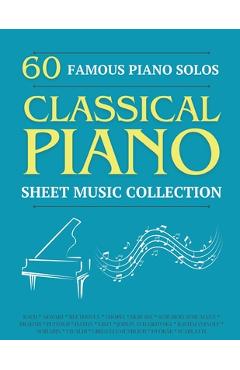
60 Famous Piano Solos: PIANO SHEET MUSIC COLLECTION (Classical Piano Sheet Music)
Sam Jhonson
de la 148,72 lei
1 magazin
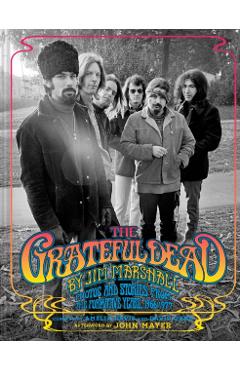
The Grateful Dead by Jim Marshall: Photos and Stories from the Formative Years, 1966-1977
Jim Marshall
de la 279 lei
1 magazin
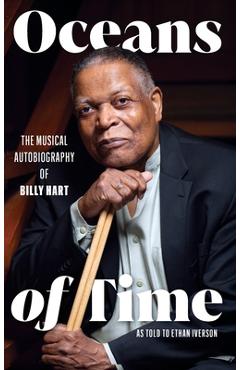
Oceans of Time: The Musical Autobiography of Billy Hart
Billy Hart
de la 308,78 lei
1 magazin
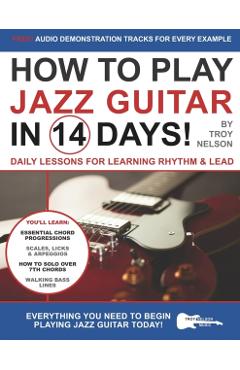
How to Play Jazz Guitar in 14 Days: Daily Lessons for Learning Rhythm & Lead
Troy Nelson
de la 83,63 lei
1 magazin

Mood Machine: The Rise of Spotify and the Costs of the Perfect Playlist
Liz Pelly
de la 123,12 lei
1 magazin
Music Habits - The Mental Game of Electronic Music Production: Finish Songs Fast, Beat Procrastination and Find Your Creative Flow
Jason Timothy
de la 153,38 lei
1 magazin

Ode to Hip-Hop: 50 Albums That Define 50 Years of Trailblazing Music
Kiana Fitzgerald
de la 162 lei
1 magazin
John Cage: Diary: How to Improve the World (You Will Only Make Matters Worse)
John Cage
de la 168,48 lei
1 magazin

Pulp's This Is Hardcore
Jane Savidge
de la 70,13 lei
1 magazin

16 Easy Hymns for Solo Piano, Volume 1: Beginner and Intermediate Arrangements of Every Song
Troy Nelson
de la 90,60 lei
1 magazin