
Despre carte
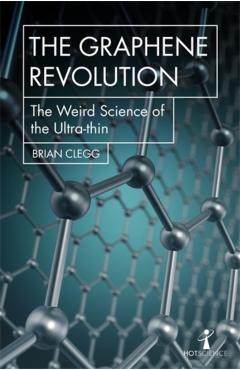
In 2003, Russian physicists Andre Geim and Konstantin Novoselov found a way to produce graphene - the thinnest substance in the world - by using sticky tape to separate an atom-thick layer from a block of graphite. Their efforts would win the 2010 Nobel Prize for Physics, and now the applications of graphene and other `two-dimensional' substances form a worldwide industry. Graphene is far stronger than steel, a far better conductor than any metal, and able to act as a molecular sieve to purify water. Electronic components made from graphene are a fraction of the size of silicon microchips and can be both flexible and transparent, making it possible to build electronics into clothing, produce solar cells to fit any surface, or even create invisible temporary tattoos that monitor your health. Ultra-thin materials give us the next big step forward since the transistor revolutionised electronics. Get ready for the graphene revolution.
Citește-o cu alții
Fă un club în jurul ei: o împărțiți pe etape, vă bifați progresul și discutați fără spoilere.
Pornește un club cu cartea astaUnde o cumperi
Caut-o și la Cărturești
Prețuri verificate azi
Linkuri afiliate — susții comunitatea fără costuri extra.
Recenzii
Autentifică-te ca să scrii o recenzie →Nicio recenzie încă. A ta poate fi prima! ✍️