
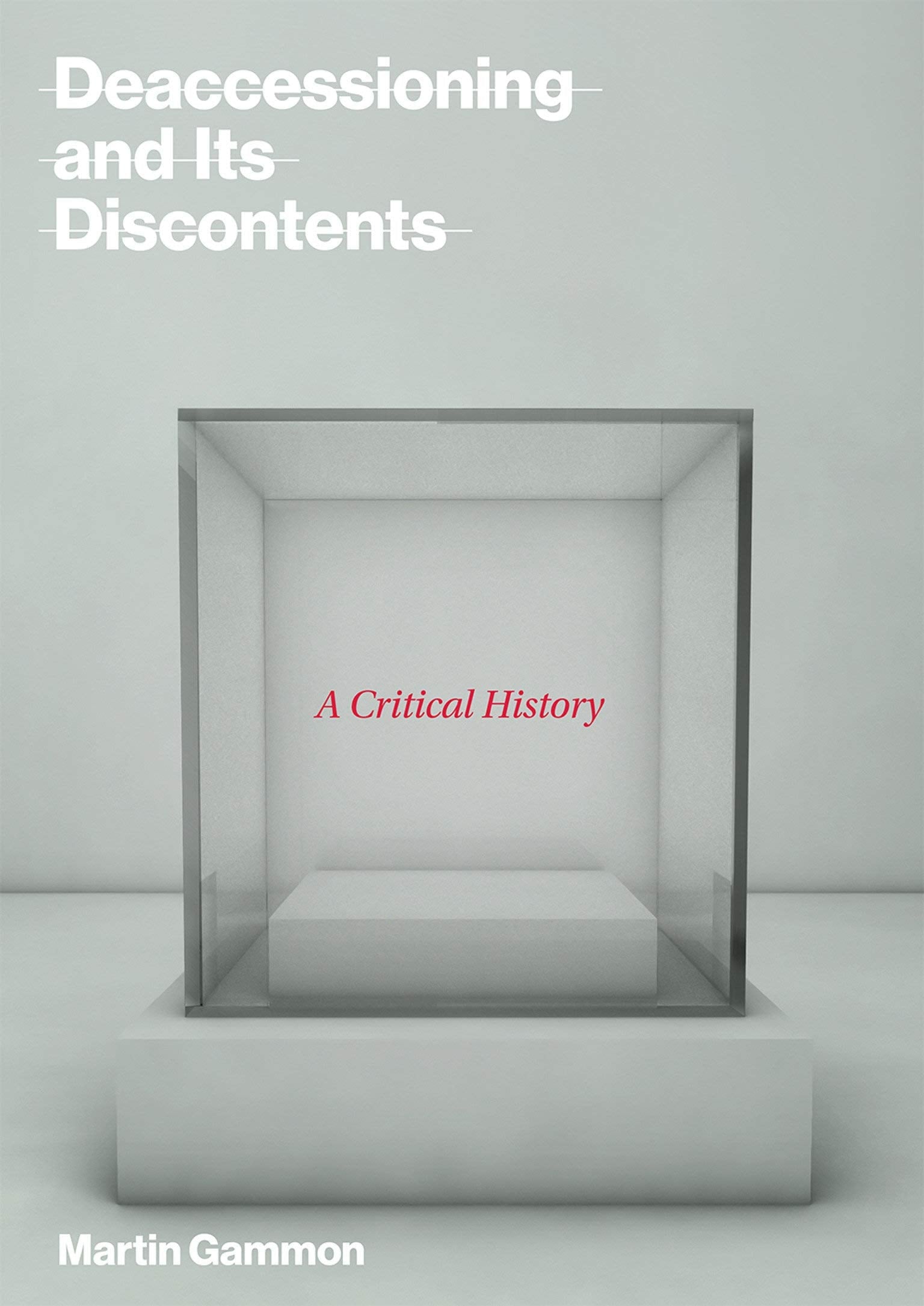
Deaccessioning and its Discontents: A Critical History
Fii primul care dă o notă
Despre carte
The first history of the deaccession of objects from museum collections that defends deaccession as an essential component of museum practice.Museums often stir controversy when they deaccession works--formally remove objects from permanent collections--with some critics accusing them of betraying civic virtue and the public trust. In fact, Martin Gammon argues in Deaccessioning and Its Discontents, deaccession has been an essential component of the museum experiment for centuries. Gammon offers the first critical history of deaccessioning by museums from the seventeenth to the twenty-first century, and exposes the hyperbolic extremes of "deaccession denial"--the assumption that deaccession is always wrong--and "deaccession apology"--when museums justify deaccession by finding some fault in the object--as symptoms of the same misunderstanding of the role of deaccessions in proper museum practice. He chronicles a series of deaccession events in Britain and the United States that range from the disastrous to the beneficial, and proposes a typology of principles to guide future deaccessions.Gammon describes the liquidation of the British Royal Collections after Charles I's execution--when masterworks were used as barter to pay the king's unpaid bills--as establishing a precedent for future deaccessions. He recounts, among other episodes, U.S. Civil War veterans who tried to reclaim their severed limbs from museum displays; the 1972 "Hoving affair," when the Metropolitan Museum of Art sold a number of works to pay for a Velazquez portrait; and Brandeis University's decision (later reversed) to close its Rose Art Museum and sell its entire collection of contemporary art. An appendix provides the first extensive listing of notable deaccessions since the seventeenth century. Gammon ultimately argues that vibrant museums must evolve, embracing change, loss, and reinvention.
Citește-o cu alții
Fă un club în jurul ei: o împărțiți pe etape, vă bifați progresul și discutați fără spoilere.
Pornește un club cu cartea astaUnde o cumperi
Caut-o și la Libris
Prețuri verificate azi
Linkuri afiliate — susții comunitatea fără costuri extra.
De la cititori
Niciun cititor nu vinde acum cartea asta.
Ai cartea? Vinde exemplarul tăuRecenzii
Autentifică-te ca să scrii o recenzie →Nicio recenzie încă. A ta poate fi prima! ✍️