
Adaugă într-o listă
Despre carte
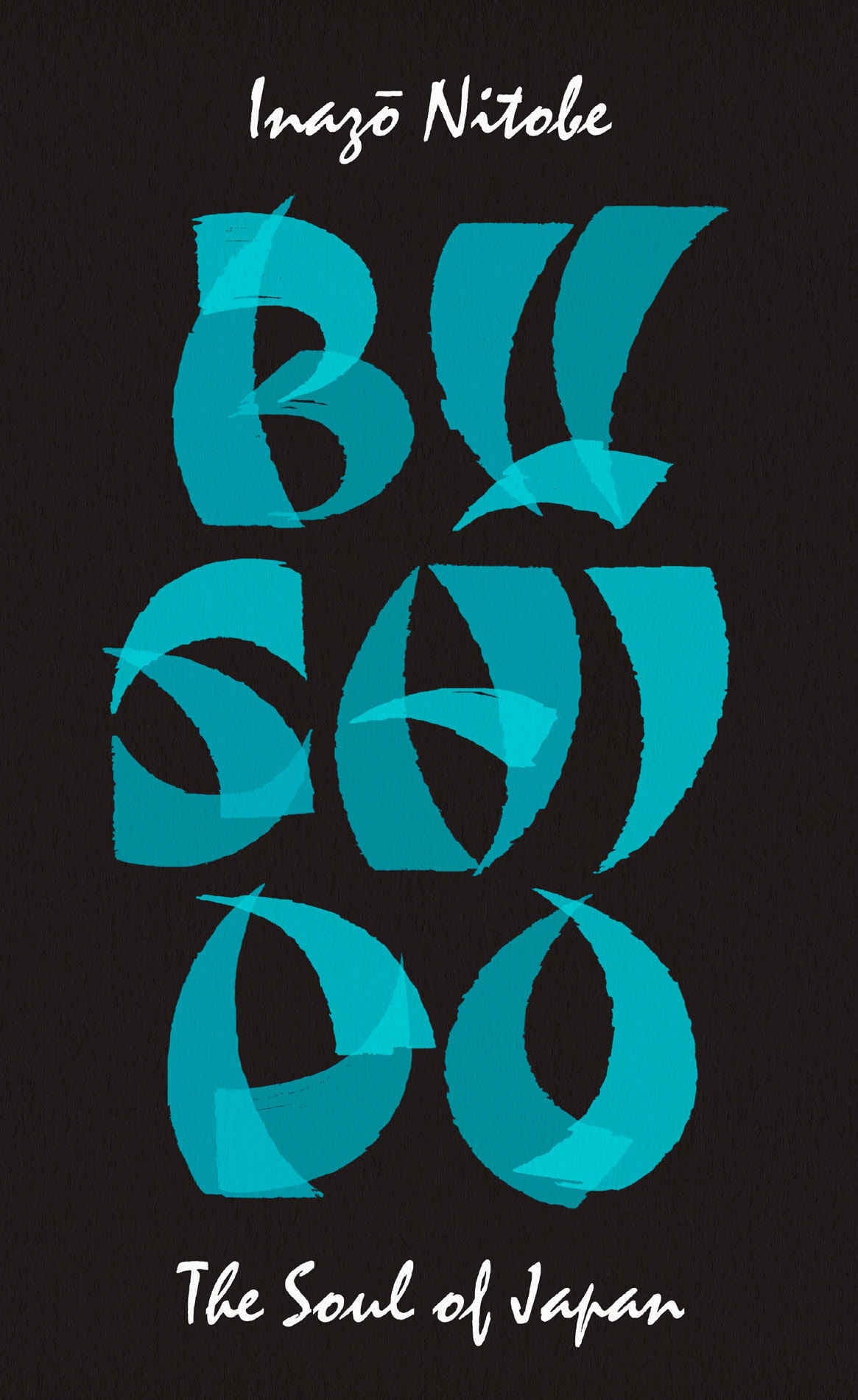
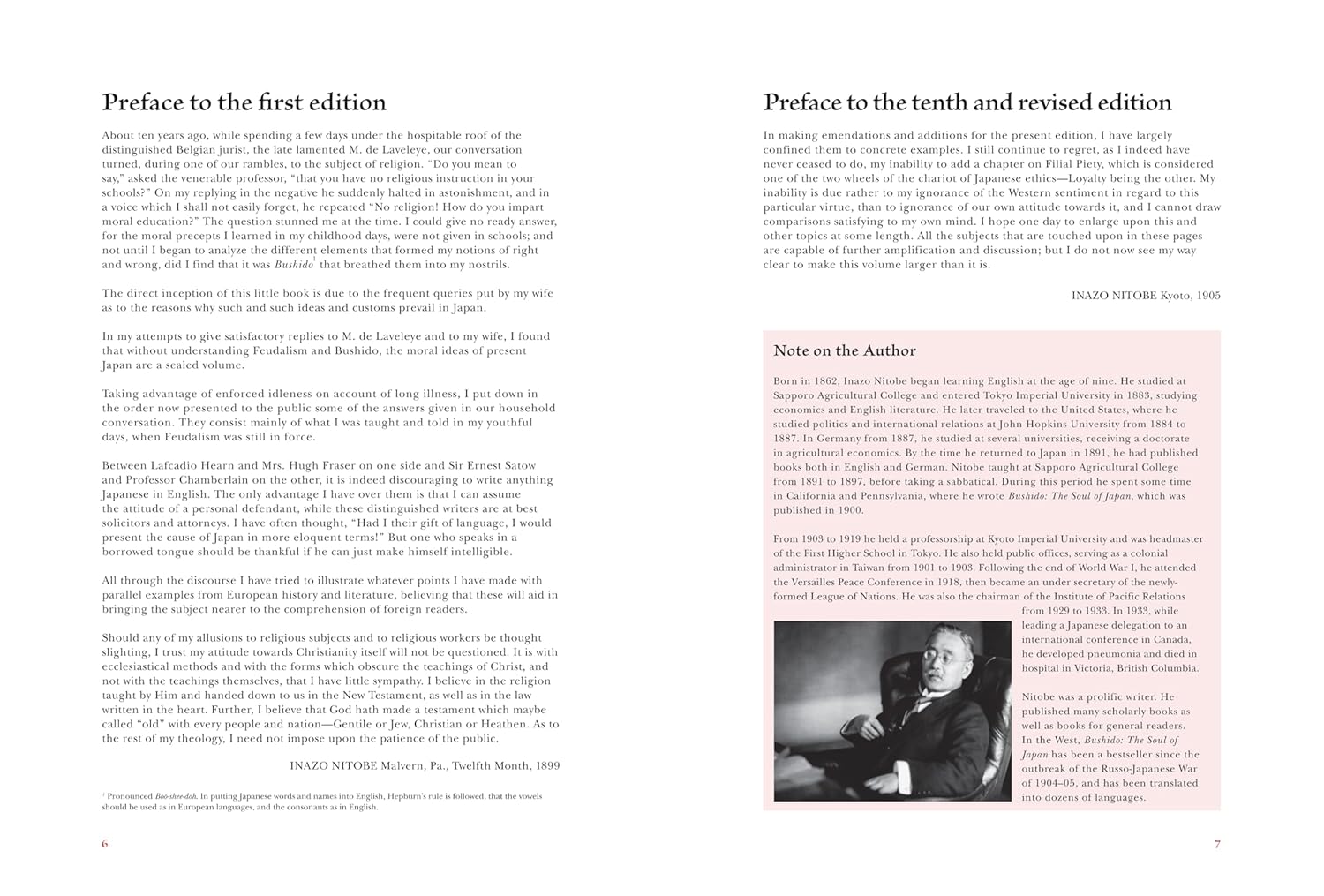
A century ago, when Japan was transforming itself from an isolated feudal society into a modern nation, a Japanese educator queried about the ethos of his people composed this seminal work, which with his numerous other writings in English made him the best, known Japanese writer in the West during his lifetime. He found in Bushido, the Way of the Warrior, the sources of the virtues most admired by his people: rectitude, courage, benevolence, politeness, sincerity, honor, loyalty and self-control. His approach to his task was eclectic and far-reaching. On the one hand, he delved into the indigenous traditions, into Buddhism, Shintoism, Confucianism and the moral guidelines handed down over hundreds of years by Japan's samurai and sages. On the other hand, he sought similarities and contrasts by citing not only Western philosophers and statesmen, but also the shapers of European and American thought and civilization going back to the Romans, the Greeks and Biblical times. This book is a classic to which generations of scholars and laymen alike have long referred for insights into the character of the Japanese people. And all of its many readers in the past have been amply rewarded, as will be all those who turn to its pages in the next and future decades. A century ago, when Japan was transforming itself from an isolated feudal society into a modern nation, a Japanese educator queried about the ethos of his people composed this seminal work, which with his numerous other writings in English made him the best, known Japanese writer in the West during his lifetime. He found in Bushido, the Way of the Warrior, the sources of the virtues most admired by his people: rectitude, courage, benevolence, politeness, sincerity, honor, loyalty and self-control. His approach to his task was eclectic and far-reaching. On the one hand, he delved into the indigenous traditions, into Buddhism, Shintoism, Confucianism and the moral guidelines handed down over hundreds of years by Japan's samurai and sages. On the other hand, he sought similarities and contrasts by citing not only Western philosophers and statesmen, but also the shapers of European and American thought and civilization going back to the Romans, the Greeks and Biblical times. This book is a classic to which generations of scholars and laymen alike have long referred for insights into the character of the Japanese people.
Citește-o cu alții
Fă un club în jurul ei: o împărțiți pe etape, vă bifați progresul și discutați fără spoilere.
Pornește un club cu cartea astaPrețuri în 2 magazine
economisești 15,19 leiPrețuri verificate ieri
Linkuri afiliate: susții comunitatea fără costuri extra.
De la cititori
Niciun cititor nu vinde acum cartea asta.
Ai cartea? Vinde exemplarul tăuRecenzii
Autentifică-te ca să scrii o recenzie →Nicio recenzie încă. A ta poate fi prima! ✍️
De Inazo Nitobe
Toate cărțile autorului



Din același raft: Carte străină
Tot raftul
Jujutsu Kaisen Vol. 1
Gege Akutami
de la 49,99 lei
4 magazine

The Confession of an atheist priest
Ion Aion
de la 34,36 lei
4 magazine

Spy x Family Vol. 1
Tatsuya Endo
de la 39,99 lei
4 magazine

Jujutsu Kaisen Vol. 3
Gege Akutami
de la 49,99 lei
4 magazine

Wuthering Heights
Emily Bronte
de la 12,53 lei
4 magazine

This Census-Taker
China Mieville
de la 55,65 lei
3 magazine

Dracula's Guest
Bram Stoker
de la 25,29 lei
3 magazine

Fake Skating
Lynn Painter
de la 60,10 lei
3 magazine

The Batman Who Laughs
Scott Snyder
de la 89,90 lei
3 magazine

The Autumn of the Patriarch
Gabriel García Márquez
de la 55,63 lei
3 magazine