
Despre carte
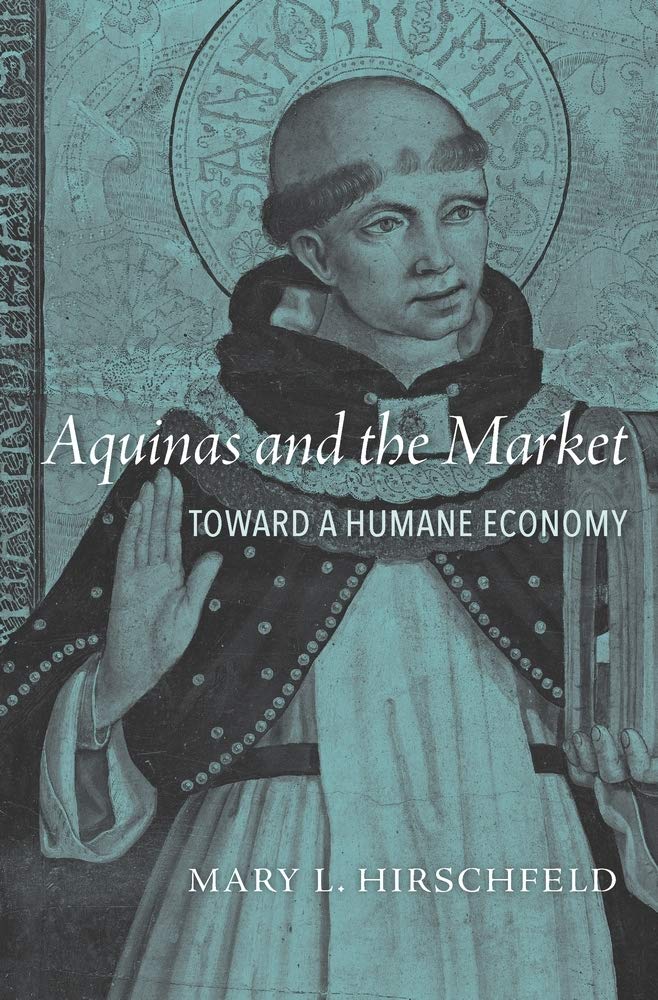
Economists and theologians usually inhabit different intellectual worlds. Economists investigate the workings of markets and tend to set ethical questions aside. Theologians, anxious to take up concerns raised by market outcomes, often dismiss economics and lose insights into the influence of market incentives on individual behavior. Mary L. Hirschfeld, who was a professor of economics for fifteen years before training as a theologian, seeks to bridge these two fields in this innovative work about economics and the thought of St. Thomas Aquinas.According to Hirschfeld, an economics rooted in Thomistic thought integrates many of the insights of economists with a larger view of the good life, and gives us critical purchase on the ethical shortcomings of modern capitalism. In a Thomistic approach, she writes, ethics and economics cannot be reconciled if we begin with narrow questions about fair wages or the acceptability of usury. Rather, we must begin with an understanding of how economic life serves human happiness. The key point is that material wealth is an instrumental good, valuable only to the extent that it allows people to flourish. Hirschfeld uses that insight to develop an account of a genuinely humane economy in which pragmatic and material concerns matter but the pursuit of wealth for its own sake is not the ultimate goal.
Citește-o cu alții
Fă un club în jurul ei: o împărțiți pe etape, vă bifați progresul și discutați fără spoilere.
Pornește un club cu cartea astaUnde o cumperi
Caut-o și la Libris
Prețuri verificate azi
Linkuri afiliate — susții comunitatea fără costuri extra.
Recenzii
Autentifică-te ca să scrii o recenzie →Nicio recenzie încă. A ta poate fi prima! ✍️